Key takeaways
- 1Resident counts are a midnight number. Census LODES counts jobs by block, which is the noon number.
- 2Office districts are breakfast and lunch markets, dead by 7; bedroom suburbs are the reverse.
- 3Compare jobs within a walk to residents within a drive, then match the pattern to the business’s hours.
In this article
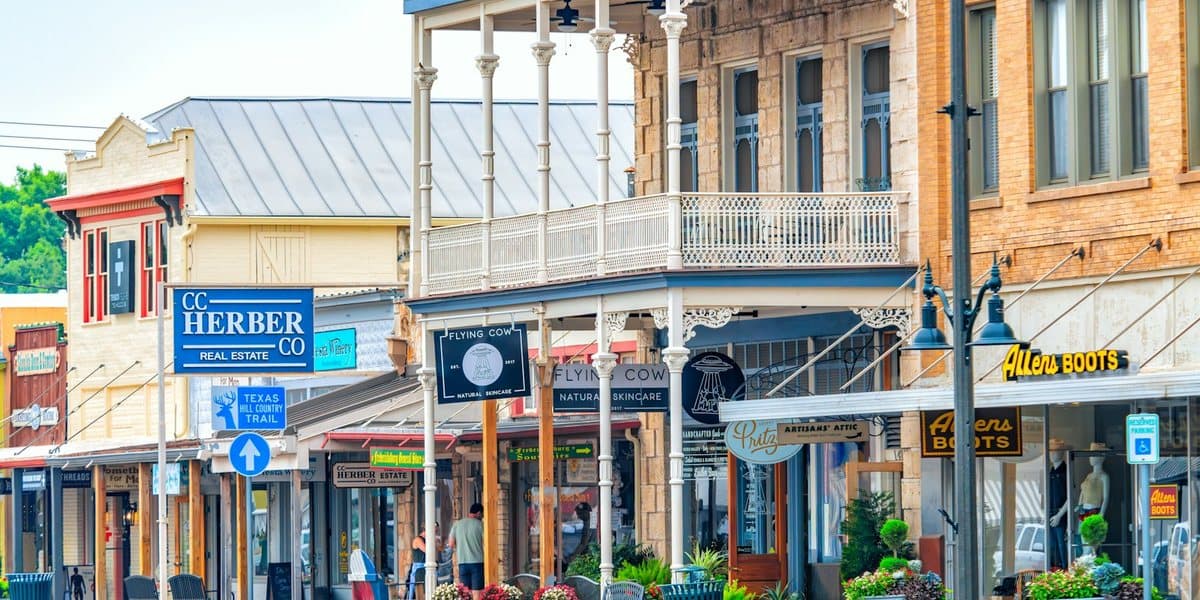
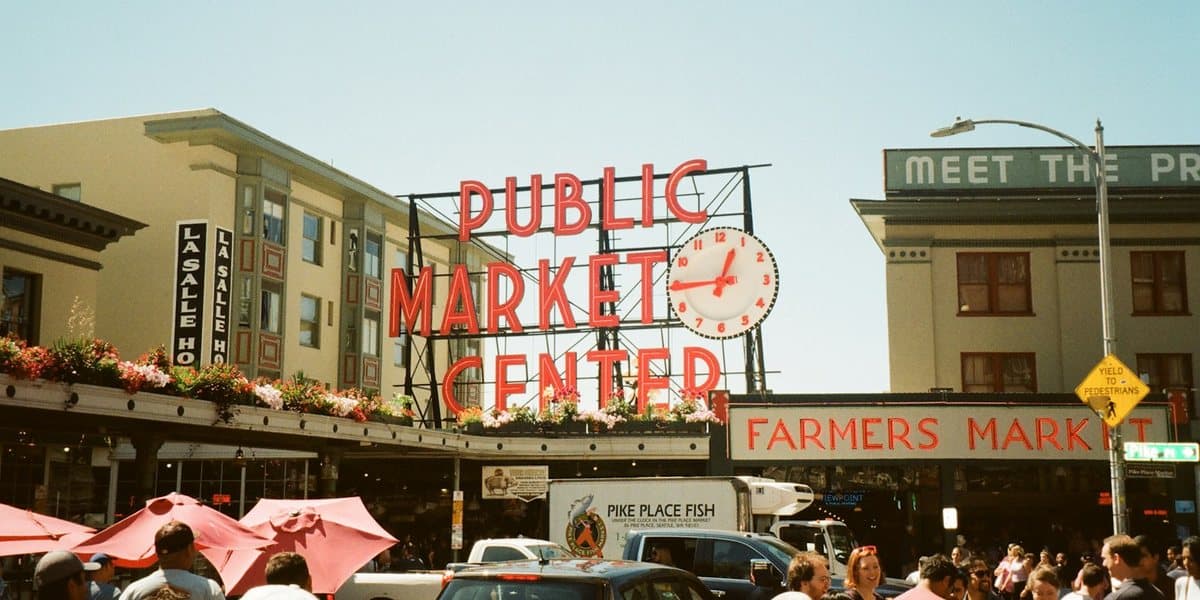
Two coffee shops open the same month, two miles apart, in neighborhoods with the same household income. One has a line at 8 a.m. and is empty by 3. The other is quiet in the morning and busy on Saturday. Neither owner did anything wrong. They opened in neighborhoods with opposite daytime populations.
The resident count that every demographic report gives you is a midnight number: where people sleep. Most of the money in food, coffee and services is made where people are awake. The Census Bureau publishes that number too; it is just less famous.
The data: LODES
The Longitudinal Employer-Household Dynamics program at the Census Bureau publishes LODES, the Origin-Destination Employment Statistics. It is built from state unemployment-insurance records, so it covers nearly every payroll job in the country, and it reports them at the census-block level in three files:
- •Workplace Area Characteristics: jobs by the block where the work happens, with counts by age, earnings and industry.
- •Residence Area Characteristics: jobs by the block where the worker lives.
- •Origin-Destination: the pairs, how many people live in block A and work in block B.
Add up the jobs in the blocks within a ten-minute walk of a corner and you have the daytime crowd for that corner. Subtract the residents who leave, and you have what is left in a bedroom neighborhood at noon. The latest LODES year Neur uses is 2022.
Three kinds of neighborhood
Importers. Downtowns, office parks, hospital districts, campuses. Workers arrive at 8 and leave at 5, so the daytime population is several times the resident count. These are breakfast, lunch and errand markets: coffee, quick-service food, dry cleaning, lunchtime fitness classes, anything a worker does on a break. They are also dead at 7 p.m. and on weekends unless there is a reason to stay.
Exporters. Bedroom suburbs and residential tracts. Residents leave in the morning, and what is left is parents with young children, retirees, remote workers and the people who serve them. The money is in the evening and the weekend: dinner, day care, salons, kids' activities, home services.
Mixed. Walkable districts where people both live and work, or where an anchor such as a hospital or a university brings people at all hours. These are the rarest and the easiest, because the same door gets a morning crowd and an evening crowd.
A business that matches the wrong pattern can look right on every other number and still fail. The classic case is a dinner restaurant in an office district: the demographics are perfect, the rent reflects the lunch trade, and the room is empty by the time the kitchen is ready.
How to measure it for a corner
- 1Count residents within a drive. One, three and five miles, from the American Community Survey. This is the number everyone already has.
- 2Count jobs within a walk. From the LODES workplace file, the jobs inside about half a mile. Compare the two. A ratio of jobs to residents well above one is an importer; well below is an exporter.
- 3Find the anchors. A hospital, a university, a mall, a stadium, an interchange: each one brings people at predictable hours that neither residents nor jobs explain. Note the hours.
- 4Match the pattern to the business. Morning and lunch businesses want jobs. Evening and weekend businesses want residents. Anchors add whichever hours they keep.
A Neur report runs these four steps for the location you pick: residents at one, three and five miles, LODES worker counts around the center, the anchors within range with their type, and a ranking of zones on the map by demand and commercial activity. You can also aim the report at an anchor directly, such as "near the medical center," and it searches from there instead of the city center.
What to do with the answer
- •If the corner is an importer and the business is a morning or lunch business: good, and plan the hours accordingly. Close at 3 and save the labor.
- •If the corner is an importer and the business is an evening business: find a different corner, or add a daytime product that pays the rent until 5.
- •If the corner is an exporter and the business is an evening or weekend business: good, and do not expect the lunch trade.
- •If the corner is an exporter and the business is a coffee shop: look for the remote workers, the school pickup and the Saturday morning, because the 8 a.m. commuter line is happening somewhere else.
Run a Neur report for the corner you have in mind and see the residents and the workers on the same map. The guide to choosing a business location covers the rest of the site checklist.
Quick answers
- What is daytime population?
- The number of people present in an area during working hours: residents who stay plus workers who commute in, minus residents who commute out. A downtown block can have ten times more people at noon than at midnight; a bedroom suburb has fewer.
- Where can I find daytime population data?
- The Census Bureau publishes LEHD Origin-Destination Employment Statistics (LODES), which count jobs by census block and where the workers live. The Workplace Area Characteristics file gives you jobs per block; a Neur report maps it around the location.
- Which businesses depend on daytime population?
- Coffee shops, lunch restaurants, quick-service food, dry cleaners, gyms with before-work and lunchtime classes, and any service workers use near the office. Businesses that depend on residents, such as salons, day care, bars and dinner restaurants, need the opposite pattern.
Sources and method
U.S. Census Bureau, Longitudinal Employer-Household Dynamics, LODES version 8 (Workplace Area Characteristics, Residence Area Characteristics, Origin-Destination), 2022. U.S. Census Bureau, American Community Survey 5-year estimates. Checked October 8, 2026.
Researched and drafted with AI assistance from the public data above, then reviewed by Neur before publishing. Figures carry the date they were checked; the update date changes when a figure is corrected. How Neur Research works. Informational only; not business, legal or financial advice.
Related
- 27days of cash the median small business holdsLocation Intelligence
Should You Open a Second Location? When Expansion Helps and When It Hurts
Expansion is the point where good businesses go wrong most expensively. Whether a second location helps depends on the business type, the cash in the bank and the distance to the first door. Here is how to tell which side of the line you are on.
Sep 22, 2026 · 5 min read - 5–10%of revenue is the usual ceiling for rentLocation Intelligence
How to Choose a Business Location: A Data-Driven Approach
Foot traffic, demographics, competition, rent — here are the factors that actually matter when picking where to open your business.
Updated Sep 22, 2026 · 2 min read - +7.6%jobs added by food trucks, the fastest of 14 typesIndustry Spotlights
The 14 Most Common Small Businesses, Ranked by Job Growth in 2026
Food trucks, coffee shops and gyms are adding jobs. Bars, laundromats and landscapers are shedding them. Here are the 14 business types first-time owners open most, ranked from BLS employment data for the first quarter of 2026, with what each one pays and costs to start.
Oct 8, 2026 · 4 min read